Receiving a rejection from a top-choice school can be devastating. However, for highly motivated students, it is simply a delay. A strategic gap year is the path utilized by many successful reapplicants to turn a "no" into a definitive "yes." The core challenge is simple: You cannot submit the same application twice.
The focus of your year must be on measurable growth that directly addresses the perceived weaknesses of your first profile.
Gap Year After College Rejection: Can It Turn the Tide?
Real-Life Success Stories: Ivy+ Re-Admits After Gap Year
Admissions officers often praise a well-executed gap year. Many students rejected by Harvard, Yale, or Stanford one year later gain admission because they used the year to achieve significant, specialized goals (e.g., launching a non-profit, securing a competitive research position, or completing college-level coursework). This demonstrates maturity, focus, and a clearer purpose.
Why Colleges Rarely Reverse a Rejection (and the Exceptions)
Colleges rarely reverse a rejection simply because a student asks. The only two reasons for a reversal are:
- A Major Error: The college admitted they made a mistake in processing the file (extremely rare).
- Exceptional Change: The reapplicant demonstrates extraordinary growth that fundamentally alters their candidacy, typically via a gap year.
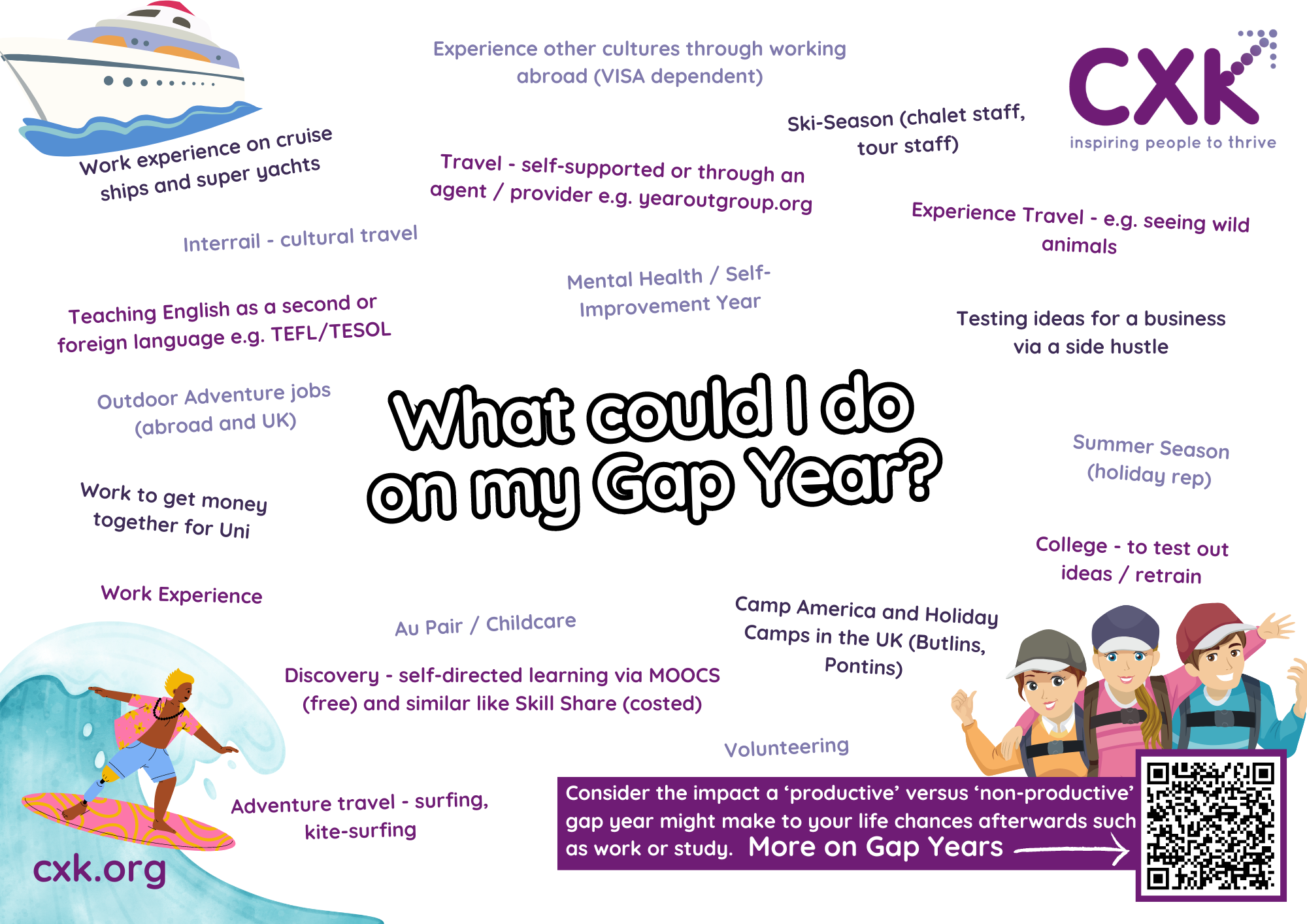
Pros and Cons of Reapplying After a Gap Year
Academic Refreshers, Test Score Boosts, and New Extracurriculars
Pros: A gap year provides time to improve weaknesses. If your SAT/ACT score was low, you have time to study and retake it. If your extracurricular profile was too general, you have time to focus on high-impact activities that create an Academic Hook.
Financial and Emotional Costs of Waiting Another Cycle
Cons: A gap year means delaying the start of college by one year and incurs financial costs (lost earning potential, program fees). Emotionally, it requires resilience and determination to stay motivated while peers start university.
Crafting a Strategic Gap Year Plan with Orbit AI
Setting Measurable Growth Goals for Reapplication
Your plan must be more than "traveling" or "working." It needs measurable outputs that admissions officers can quantify:
- Academic Goal: Achieve an A in a college-level Math or Science course.
- Professional Goal: Secure a 6-month internship in your intended major (e.g., paid research assistantship).
- Impact Goal: Successfully launch a community project or raise a specific amount for charity.
Documenting Your Year: Essays, Résumés, and Interviews
The best documentation is a compelling narrative. Your reapplication essays must clearly explain the gap year's impact. Use tools like the Orbit AI Resume Builder to formalize your gap year work and achievements into a professionally formatted document.
Alternatives to the Gap Year: Transfer vs Reapplication
Transfer Pathways: Pros, Cons, and Timeline
Transferring means enrolling in a less selective college and applying to your top school after one or two years.
- Pros: Immediate start to college, often higher success rate than reapplication if you maintain a 3.8+ college GPA.
- Cons: Transfer acceptance rates are often low (Princeton accepts very few transfers), and you risk losing transferrable credits.
Dual-Strategy: Gap Year + Transfer Option Backup
Many successful students choose a dual approach: plan the gap year primarily for reapplication, but simultaneously apply to a few safety schools for the fall semester as a strong backup.
Application Mechanics for Reapplicants
Reusing vs Rewriting Personal Statements
Never reuse your personal statement. You must rewrite it to reflect your newfound maturity and specific interests after the gap year. If the topic is the same, the reflection must be deeper. Use AI tools to ensure your new essay aligns with the specific college's values (see: AI Essay Writer Safe Use).
Updated Recommendation Letters and School Reports
You need new recommendation letters from supervisors or teachers who oversaw your gap year activities. This demonstrates your growth outside of high school. Ensure your high school guidance counselor submits a Reapplicant School Report.
Quick Wins to Signal Growth During a Gap Year
High-Impact Volunteer, Work, or Research Ideas
- Research: Contact a local university or community college professor to volunteer as a research assistant.
- Certifications: Complete technical certifications (e.g., Google Analytics, Python, financial modeling).
- Work: Secure a job that provides skills relevant to your intended major (e.g., marketing assistant for a business major).
Certifications, Online Courses, and Micro-Scholarships
Use online learning platforms like Coursera or edX to take challenging courses that directly address weaknesses in your high school curriculum. This shows intellectual curiosity and rigor. Look for scholarships to cover course costs.
FAQs
Quick Q&A
1. Can you reapply to a college after being rejected and taking a gap year?
Yes, provided you have not enrolled in a degree-granting program elsewhere. Most highly selective colleges welcome reapplicants who can demonstrate significant personal, academic, or professional growth during their gap year.
2. Do Ivy League schools accept students after a gap year post-rejection?
Yes. Ivy League schools, including Harvard and Princeton, have well-established policies for reapplicants. Success relies heavily on the 'What's Changed?' narrative and demonstrating intentional use of the gap year for growth.
3. What should you accomplish during a gap year to boost reapplication odds?
Focus on high-impact, sustained activities: securing a specialized internship, completing college-level coursework with high grades, conducting independent research, or taking on significant leadership roles.
4. Is it better to transfer or take a gap year after a rejection?
If you need major academic or score improvement, a gap year and reapplication is better. If you have solid grades and just need to boost your profile, transferring after one year at a less selective school is a viable, high-success pathway.
5. Will higher test scores alone reverse a previous rejection?
No. While improved scores (SAT/ACT) are necessary if they were a weakness, they are rarely sufficient alone. They must be combined with a narrative of maturity, new achievements, and a clearer sense of purpose shown through essays and activities.
6. How do you explain a gap year in your reapplication essays?
Use the essays to frame the gap year as a period of intentional growth and clarity. Highlight specific, measurable achievements and connect them directly to your renewed interest in the college's programs, answering the 'What's Changed?' question directly.
7. Are there risks in reapplying to the same college after a gap year?
The main risk is submitting an insufficiently improved application, which may signal a lack of intentionality. If your application is essentially the same as the first, the outcome will likely be the same.
8. Can you apply Early Decision after a gap year rejection?
Yes, provided the college offers ED and you have not enrolled full-time elsewhere. Applying ED as a reapplicant sends a strong signal of commitment, which can be highly strategic.
9. What timeline should you follow for reapplying after a gap year?
The gap year should be planned from the start (Summer/Fall). Applications should be submitted early (October/November), using the year's achievements to justify the final outcome.
10. How can AI tools help plan a productive gap year?
AI tools can perform a 'Ding Analysis' on your previous application to identify weaknesses (e.g., lack of STEM activities) and suggest high-impact courses, certifications, or project ideas to address those gaps, ensuring your year is productive.
11. What are the costs of a gap year versus starting elsewhere as a transfer?
A gap year involves lost earning potential and potential course costs. Transferring involves tuition costs and the risk of lost credit hours. Evaluate the 'Net Cost' of both paths before deciding.
12. How often do reapplicants succeed after a gap year at top schools?
Top schools do not publish reapplicant success rates, but admissions officers confirm that students who show genuine, measurable growth, address their previous weaknesses, and demonstrate maturity have a significantly higher chance than the initial acceptance rate.

About the Author: Sayak Moulic
SEO & Growth Strategist
Sayak builds content experiences at Orbit that help our students learn about college application and financial literacy. Connect with him on LinkedIn.

ritika114bteceai24@igdtuw.ac.in
December 27, 2025
An experienced writer and researcher focused on college admissions, this author simplifies the complex journey of applying to universities. They create practical, student-friendly content on entrance exams, application strategies, essays, and admission planning. With a strong emphasis on clarity and real-world guidance, their work helps students and parents make informed decisions, avoid common mistakes, and confidently navigate competitive admissions processes to find the right academic fit.






.jpg)